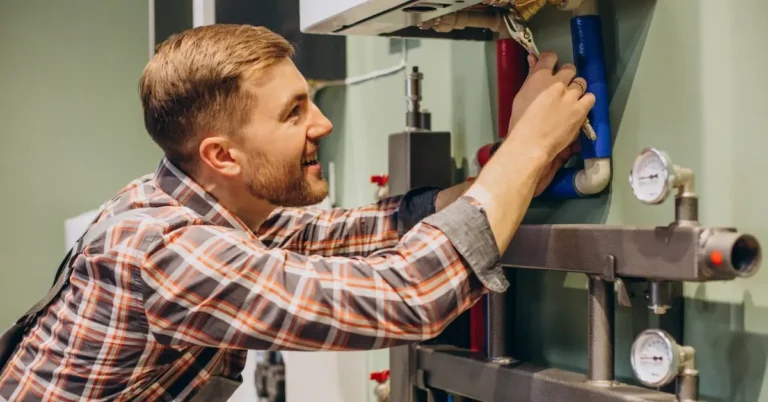
Most homeowners think furnace work is straightforward: remove the old unit, set the new one, connect a few lines, and walk away. In reality, modern Furnace Installation Services have changed in quiet but important ways. Better equipment, smarter controls, tighter energy rules, and higher expectations for comfort have pushed installation work into a more precise trade.
At NS Heating And Cooling, we see it every season. A good furnace is only as good as the way it is installed. Innovations today are not just about the furnace itself. They show up in testing, airflow design, safety verification, duct sealing, and the small details that prevent breakdowns later.
What “Modern Installation” Really Means
A modern install starts before any equipment is ordered. Instead of guessing based on the old furnace size, many contractors now use load calculations to match heating output to the home. This prevents common problems like short cycling, noisy operation, uneven rooms, and higher fuel use.
When a system is properly sized and set up, homeowners notice the difference in simple ways: steadier temperatures, fewer cold spots, less dry indoor air, and a furnace that does not sound like it is working overtime.
Modern Furnace Installation Services also include a closer look at the whole heating system, not just the furnace cabinet. That means checking ductwork condition, supply and return sizing, filter setup, combustion air needs, and venting rules.
Smarter Sizing With Heat Load Calculations
One of the biggest improvements in furnace work is sizing based on the home’s actual heat loss. This includes square footage, insulation levels, window type, ceiling height, air leakage, and local climate patterns.
Why this matters:
- Oversized furnaces heat too fast, then shut off early. That leads to uneven comfort and extra wear.
- Undersized furnaces run constantly and still struggle on the coldest days.
- Right-sized equipment tends to last longer because it runs in healthier cycles.
Load calculations also help determine whether upgrades are needed in ductwork or returns. If airflow is restricted, even a high-quality furnace will feel underpowered.
Variable-Speed Blowers and Better Airflow Tuning
Many newer furnaces include variable-speed or multi-stage blowers. These blowers can run at lower speeds for longer periods, improving comfort and helping air mixing throughout the home.
But the furnace cannot do this alone. The installer must tune airflow using static pressure testing and manufacturer setup steps. This is where modern Furnace Installation Services stand apart. Proper airflow tuning can:
- Reduce hot and cold room complaints
- Improve air filtration results
- Help control humidity swings
- Lower noise from vents and returns
If your ducts are undersized, leaky, or poorly balanced, a modern blower may expose those weaknesses. A skilled installer will test, adjust, and recommend practical fixes.
Sealed Combustion and Stronger Safety Standards
Newer gas furnaces often use sealed combustion. Instead of drawing air from inside the home, they pull combustion air from outdoors through a dedicated intake. This reduces the risk of backdrafting and helps stabilize performance.
Modern installation includes tighter safety checks, such as:
- Combustion analysis to confirm clean burning
- Carbon monoxide testing around the furnace and nearby rooms
- Verifying correct vent pipe slope and termination location
- Checking gas pressure and manifold settings
- Confirming electrical grounding and correct breaker sizing
These steps do not add drama to the job, but they add reliability. Safety is not a feature you want to think about later.
High-Efficiency Condensing Furnaces and Drain Management
Condensing furnaces operate differently than older models. They pull more heat from combustion gases, which creates condensate water that must be drained properly. That small change affects several installation details:
- Condensate traps and drain lines must be routed correctly
- In cold climates, freeze protection and proper placement matters
- Drain pans, pumps, or floor drains may be required depending on layout
A high-efficiency furnace can perform poorly if condensate handling is sloppy. A modern installer plans the drain path and protects it, instead of improvising at the end.
Smarter Controls and Thermostat Integration
Today’s furnaces often pair with advanced thermostats and zoning systems. The goal is not fancy features. It is better comfort control and fewer temperature swings.
Modern Furnace Installation Services frequently include:
- Correct wiring and setup for multi-stage heat
- Configuration for variable-speed fan profiles
- Testing for proper thermostat cycle rates
- Integration with indoor air quality devices like humidifiers or air cleaners
When controls are set up correctly, the furnace runs in the mode it was designed for. When they are not, homeowners get inconsistent heat and wasted energy without realizing why.
Duct Sealing, Air Leakage Testing, and Real Efficiency Gains
You can install a high-efficiency furnace and still waste heat through duct leaks. That is why many modern installs include duct sealing improvements and airflow testing.
Even simple duct sealing work can deliver noticeable benefits:
- More heat reaches living areas instead of attic or crawl spaces
- The furnace does not need to work as hard to maintain temperature
- Rooms feel more even across the home
A good installer may also recommend return air improvements, because many comfort problems start there. A furnace cannot push warm air into a room if it cannot pull enough air back.
Cleaner Install Practices and Longer System Life
Innovation is also about process. The best furnace installation today looks more like careful assembly than rushed replacement. Good teams:
- Protect floors and work areas
- Replace aging shutoff valves or connectors when needed
- Level and secure equipment properly to prevent vibration
- Label wiring and verify safe clearances
- Document test results and settings for future service
This approach reduces callbacks and protects the homeowner. It also makes future furnace repair and furnace maintenance easier because the system is organized and set up correctly from day one.
What Homeowners Should Ask Before Scheduling Installation
If you are planning Furnace Installation Services, a few questions help you spot quality work:
- Will you size the furnace using a load calculation?
- Do you test static pressure and verify airflow settings?
- Do you run combustion analysis and carbon monoxide checks?
- How will you handle condensate drainage for a high-efficiency furnace?
- Will you inspect ductwork and recommend sealing or return improvements?
Clear answers usually indicate a contractor who understands modern expectations, not just equipment swap-outs.
A Practical Next Step
Modern furnace work is a mix of equipment knowledge and careful system setup. The best results come when the installer treats the home as a complete heating system, not just a box to replace.
If you want a furnace that runs quietly, heats evenly, and holds up for years, talk with NS Heating And Cooling. We provide Furnace Installation Services built around correct sizing, proper airflow, and verified safety checks.