

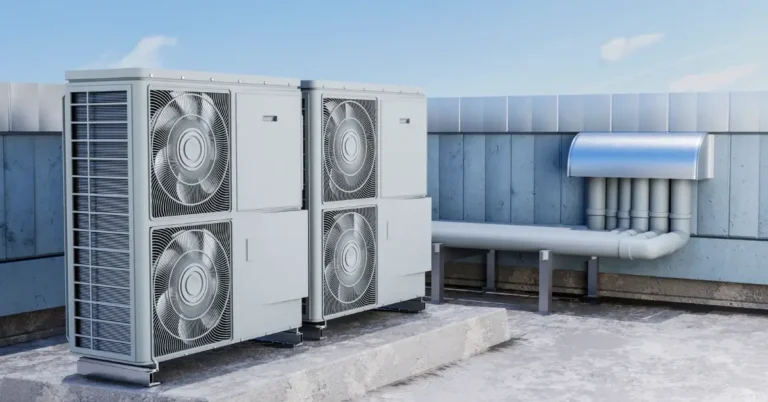
If your heating and cooling system is limping through another season, you are not alone. Many homeowners replace older systems when repairs start stacking up, energy bills climb, or comfort drops room to room. The big question is simple: what will HVAC replacement cost look like in 2026?
The honest answer is that prices still vary widely, but the reasons are easy to understand. Your final HVAC installation cost depends on equipment size, efficiency rating, labor, ductwork condition, and a handful of job-site details that most people never think about until the day a technician is in the driveway.
What “HVAC Replacement Cost” Usually Includes
When people hear “replacement,” they often picture the box outside the house and the unit in the basement or closet. In real quotes, a full system replacement can include:
- Removing and hauling away old equipment
- New air conditioner or heat pump, and a new furnace or air handler
- Refrigerant line set work (reuse or replace depending on condition)
- Electrical upgrades (disconnect, breaker, wiring as needed)
- Condensate drain work and safety overflow protection
- Thermostat replacement or upgrade
- Start-up, testing, refrigerant charge, airflow balancing
- Permit and inspection (where required)
- Warranty registration and manufacturer paperwork
If your ducts leak, are undersized, or are contaminated, ductwork repairs or duct replacement can push the total higher. The same is true if your return air setup is weak or your system never had proper airflow to begin with.
Typical Price Ranges in 2026
Because every home is different, any single number is misleading. That said, most homeowners want a practical range so they can budget.
In 2026, many standard replacements still land in these broad brackets:
- Basic replacement (same type, minimal changes): often mid to upper four figures
- Mid-range replacement (better efficiency, some upgrades): often in the five-figure range
- Higher-end replacement (premium equipment, duct changes, zoning, major electrical): can move well beyond that
Your actual estimate will depend on the system type (AC and furnace vs heat pump system), tonnage and BTU sizing, and the efficiency level you choose. A smaller home with good ducts and easy access can cost far less than a larger home that needs duct modifications, added returns, or tight attic access.
If you want a fast starting point, ask for a load calculation. A proper Manual J calculation helps size the system correctly. Oversizing is common and it hurts comfort, humidity control, and long-term reliability.
The Biggest Cost Drivers Homeowners Should Know
Here are the factors that most strongly affect HVAC replacement cost in 2026.
1) System type: AC and furnace vs heat pump
Heat pumps continue to grow in popularity, especially as homeowners look for all-in-one heating and cooling. In some homes, a heat pump replacement may cost more upfront, but it can reduce heating costs depending on climate, utility rates, and the backup heat setup.
2) Equipment size and correct sizing
Bigger is not “better” in HVAC. The right size is better. Tonnage, airflow, and duct capacity must match. If your old system was oversized, replacing it with the same size can lock in the same comfort problems.
3) Efficiency ratings and features
Higher SEER2 and higher AFUE equipment usually costs more. Variable-speed blowers, two-stage compressors, and inverter systems often improve comfort and reduce noise. They can also lower energy bills, but they raise the initial HVAC system cost.
4) Ductwork condition
Duct leaks, crushed flex duct, poor returns, and undersized trunks are common. If airflow is wrong, even a brand-new system will not perform well. Duct sealing, duct repair, added returns, or a new supply run can make a major difference in both cost and results.
5) Refrigerant changes and line set work
If your new system uses a different refrigerant than your old one, line set replacement or proper flushing can matter. This is one of those “hidden” items that can separate a cheap quote from a correct one.
6) Labor and installation complexity
Install complexity is real. Tight crawl spaces, high attic temperatures, long line set runs, roof penetrations, and code upgrades all add labor time. Labor is a major part of HVAC replacement Cost.
Cost-Smart Moves That Still Protect Quality
Saving money is fine, but the wrong shortcuts usually show up later as noise, humidity, breakdowns, or uneven temperatures. Here are ways to reduce cost without gambling on quality.
Compare quotes that are truly comparable
One estimate might include permits, a new thermostat, and duct sealing. Another might not. Make sure each quote lists equipment model numbers, scope of work, and warranty details.
Choose comfort upgrades that match your home
Not every home needs zoning, but some do. If your upstairs is always hotter, zoning or duct corrections may be the right spend. If your airflow is already strong, a simpler upgrade might be enough.
Ask about rebates and financing
Utility rebates, manufacturer rebates, and seasonal promotions can reduce your out-of-pocket cost. Financing can also help you choose a better system without stretching your monthly budget too far.
Prioritize the installation, not just the brand
A premium brand installed poorly will not perform like it should. A good installer will verify static pressure, airflow, refrigerant charge, and proper drainage. Those checks protect efficiency and equipment life.
The Questions Homeowners Should Ask Before Signing
When you are comparing HVAC replacement quotes, ask these questions. They prevent expensive surprises.
- Will you perform a load calculation or confirm sizing?
- Will you check ductwork and static pressure?
- What is included in the quote, line by line?
- Are permits and disposal included?
- What warranties apply, and what is excluded?
- What maintenance is needed to keep the warranty valid?
- Will you test airflow and temperature split after install?
If a contractor avoids these questions or answers vaguely, that is a red flag.
Planning Your Replacement Timeline
If your system is failing, you may not have the luxury of timing. But if it is still running, planning ahead often saves money and stress.
Signs you are close to replacement:
- Repairs are frequent and expensive
- The system is 12 to 20 years old (sometimes less in harsh conditions)
- Uneven temperatures and weak airflow persist
- Energy bills rise without a clear reason
- The system struggles during peak heat or cold
- Indoor humidity feels sticky in summer or too dry in winter
A pre-season estimate can help you avoid emergency pricing. It also gives time to address duct problems before the new system goes in.
A Clear Next Step
At NS Heating And Cooling, we focus on practical recommendations, clean installations, and straight answers about what your home actually needs. If you want a real number instead of a guess, the best step is a site visit with measurements, equipment options, and a written scope you can compare.