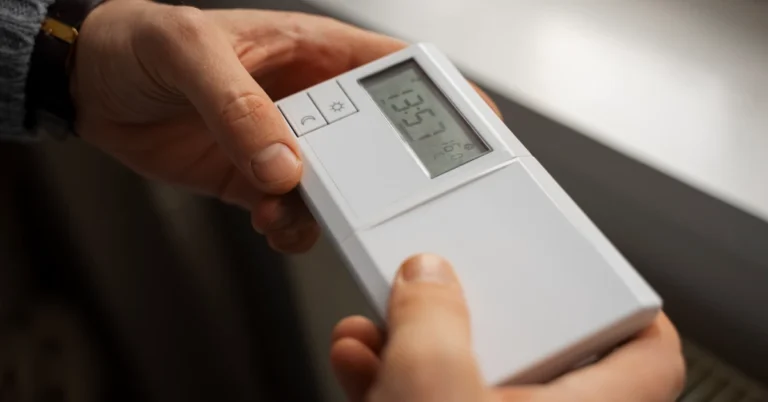
As winter temperatures drop, heating costs often rise faster than expected. Many homeowners look for ways to stay warm without watching their energy bills climb every month. One of the simplest and most effective solutions is understanding the best thermostat settings to save money during the winter season. Small adjustments to your thermostat can lead to significant savings while still keeping your home comfortable.
Learning how to manage your thermostat correctly gives you more control over your heating system, reduces unnecessary energy use, and helps your HVAC system operate efficiently throughout winter.
Why Thermostat Settings Matter in Winter
Your thermostat is the control center of your heating system. Every degree you adjust directly affects how hard your furnace or heat pump works. Poor settings can cause your system to run longer than necessary, wasting energy and increasing wear on components.
Homeowners who understand the best thermostat settings to save money often notice lower utility bills and fewer comfort issues. Proper settings balance indoor comfort with energy efficiency, especially during long winter nights and cold mornings.
The Ideal Winter Thermostat Temperature for Daytime
During the day, when people are active and moving around the house, slightly lower temperatures still feel comfortable. Heating experts generally recommend setting your thermostat around 68 degrees Fahrenheit when you are awake and at home.
This temperature provides warmth without forcing your heating system to work overtime. Overheating your home by even a few degrees can significantly increase energy usage. Maintaining the best thermostat settings to save money during daytime hours keeps your system efficient and your home comfortable.
Lowering the Thermostat at Night for Better Savings
Many homeowners are surprised to learn that sleeping in cooler temperatures is not only healthier but also more energy efficient. Lowering your thermostat by 7 to 10 degrees at night can reduce heating costs without sacrificing sleep quality.
When your household adopts the best thermostat settings to save money overnight, your heating system gets a break while you stay comfortable under blankets. This simple habit can result in noticeable savings over the course of a winter season.
Thermostat Settings When You Are Away From Home
One of the biggest energy mistakes homeowners make is heating an empty house. If no one is home during work or school hours, there is no need to maintain the same temperature.
Setting your thermostat lower while you are away is a key part of the best thermostat settings to save money. Lowering the temperature by 7 to 10 degrees for several hours a day can significantly reduce energy consumption without affecting comfort when you return.
How Programmable and Smart Thermostats Improve Efficiency
Manual thermostat adjustments rely on memory and consistency. Programmable and smart thermostats automate energy saving behavior and remove guesswork.
Smart thermostats allow homeowners to schedule temperature changes based on daily routines. This automation ensures you maintain the best thermostat settings to save money even when life gets busy. Many smart thermostats also learn your habits and adjust automatically for maximum efficiency.
Balancing Comfort and Savings in Multi Level Homes
Homes with multiple floors often experience uneven heating. Warm air rises, leaving lower levels cooler and upper levels warmer.
To maintain the best thermostat settings to save money, homeowners in multi level homes should avoid overheating to compensate for cold spots. Instead, improving insulation, sealing air leaks, and ensuring proper airflow helps maintain consistent temperatures without raising thermostat settings unnecessarily.
Common Thermostat Mistakes That Increase Energy Bills
Even homeowners who try to save energy can unknowingly increase heating costs through poor thermostat habits.
Common mistakes include:
- Turning the thermostat up too high hoping to heat the home faster
- Constantly adjusting temperatures throughout the day
- Forgetting to lower settings at night or when leaving
Avoiding these mistakes and sticking to the best thermostat settings to save money helps your HVAC system run smoothly and efficiently all winter.
How Weather and Home Insulation Affect Thermostat Settings
Outdoor temperatures and insulation quality play a major role in how effective your thermostat settings are. Homes with poor insulation lose heat quickly, forcing heating systems to run longer.
Improving insulation, sealing windows, and blocking drafts support the best thermostat settings to save money by keeping warm air inside longer. These upgrades reduce the need for frequent thermostat adjustments.
Thermostat Settings for Homes With Pets and Children
Families with young children or pets may worry about lowering temperatures too much. Fortunately, modest adjustments still provide comfort and safety.
Maintaining consistent temperatures while using layered clothing and blankets allows households to follow the best thermostat settings to save money without discomfort. Smart thermostats also allow quick adjustments if needed.
Should You Adjust Thermostat Settings During Extreme Cold?
During extreme cold spells, some homeowners hesitate to lower their thermostat at all. While safety is important, maintaining slightly lower temperatures still saves energy.
The key is consistency. Keeping steady settings and avoiding large fluctuations helps your system operate efficiently. Even during cold snaps, sticking to the best thermostat settings to save money reduces unnecessary strain on your heating equipment.
The Role of HVAC Maintenance in Thermostat Efficiency
Thermostat settings alone cannot compensate for poorly maintained HVAC systems. Dirty filters, aging equipment, and airflow issues all affect performance.
Regular HVAC maintenance ensures your system responds accurately to thermostat commands. When your system runs efficiently, the best thermostat settings to save money deliver even better results.
Frequently Asked Questions
1.What is the most energy efficient winter thermostat setting?
Around 68 degrees Fahrenheit during the day and lower at night provides a balance of comfort and savings.
2.Does lowering the thermostat really save money?
Yes, lowering the temperature even slightly reduces energy use and heating costs.
3.Are smart thermostats worth the investment?
Smart thermostats often pay for themselves through energy savings and improved efficiency.
4.How much can I save by adjusting thermostat settings?
Many homeowners save up to ten percent annually on heating costs by following recommended settings.
5.Should I change settings every day?
Using programmable schedules eliminates the need for daily manual adjustments.
Final Thoughts
Understanding the best thermostat settings to save money empowers homeowners to take control of winter heating costs without sacrificing comfort. Simple habits such as lowering temperatures at night, adjusting settings when away, and using smart technology can make a significant difference.
When combined with proper insulation and regular HVAC maintenance, the best thermostat settings to save money help reduce energy bills, protect your heating system, and keep your home comfortable throughout the winter season.